Good Air, Good Vibes: The Missing Pillar of a Healthy Life
We optimize what we eat. How we move. How we sleep. How we manage stress. But there’s one input we almost never think about: the air wrapping around all of those habits.
Air literally keeps you alive every second, and it can quietly pull your healthspan in the wrong direction if it’s polluted. The twist? You can track calories, steps, sleep scores, yet if the air around you is working against your body, progress feels strangely fragile. This is the missing pillar: the invisible foundation beneath every routine you rely on.
Healthspan vs Lifespan: Living Longer Isn’t the Same as Living Better
Over the last century, we’ve added years to life, but longevity alone doesn’t guarantee quality. Healthspan is how long we can think clearly, move easily, and sleep deeply, without chronic struggle. And it’s shaped by the places we live our lives: homes, schools, offices, gyms, shared spaces. Air doesn’t just fill our lungs; research links it to the brain, heart, immune system, hormones, even how we age.
Modern health voices, Huberman, Attia, Sinclair, push preventive choices: better sleep, smarter training, cleaner nutrition. That’s Medicine 3.0. But we often ignore the environment holding those habits. PM2.5 (fine particulate matter) is tiny enough to slip deep into the lungs and ripple through other systems via inflammation and oxidative stress.
A long life matters. A good life matters more.
The Missing Pillar: Why Environment Shapes Every Health Habit

We act like sleep, focus, exercise, and stress management are isolated pillars. They aren’t. They sit on top of the air you breathe.
At Nafas, more than 1,000 indoor air diagnostics have been conducted across Jakarta, Doha, Abu Dhabi, and Dubai, in homes, schools, gyms, and even brand-new office buildings.
The surprising finding? Almost 100% of outdoor air pollution gets inside.
In typical homes and buildings without high-efficiency filtration, a big share of outdoor fine particles ends up indoors; research shows infiltration factors often range from roughly 0.3 to 0.8 depending on building tightness, ventilation, and behavior.
So while we put effort into building better habits, we often ignore the air surrounding those habits. That’s the missing pillar.
Healthy Air at Home: Your True Reset Point

Home should be where your body resets. But measurements show that outdoor pollution enters homes in real time, even in high-rise luxury apartments.
When outdoor PM2.5 rises, indoor levels often follow closely. Healthy air at home quietly influences mood, immunity, energy levels, and your sleep quality.
Sleep is when the body repairs itself. Memory consolidates, hormones rebalance, and the immune system resets. It’s the deepest maintenance your body ever does.
But nighttime is also when your body is most exposed to the air around you. A 2021 study links polluted air to disrupted breathing and poorer sleep quality, weakening the body’s repair process.
That grogginess in the morning, the heavy mind, the quiet fatigue that doesn’t match how long you slept, it’s often blamed on stress or age. But it may start much earlier, with the air you breathed all night.
Your day doesn’t start in the morning.
It starts with the air your body relied on while you slept.
And your home should restore you. Good air is key to making that happen.
Focus at Work: When the Room Is More Exhausting Than the Job

Focus feels like willpower, but physiologically, it’s chemistry. And air quality plays a major role.
A Harvard School of Public Health study showed that when PM2.5 levels rise, performance on 80% of cognitive tests declines, even at levels as low as 12 µg/m³.
In Jakarta, Nafas has recorded PM2.5 levels over 80 µg/m³ inside new office buildings. Many offices lack proper filtration, allowing polluted outdoor air to circulate freely indoors.
MIT research even found that chess players made 26% more mistakes when PM2.5 was high. That’s why international chess tournaments are played in rooms with healthy air.
It’s not always burnout. Sometimes, the air is exhausting you.
Exercise and Air: What You Breathe When You Push Your Body
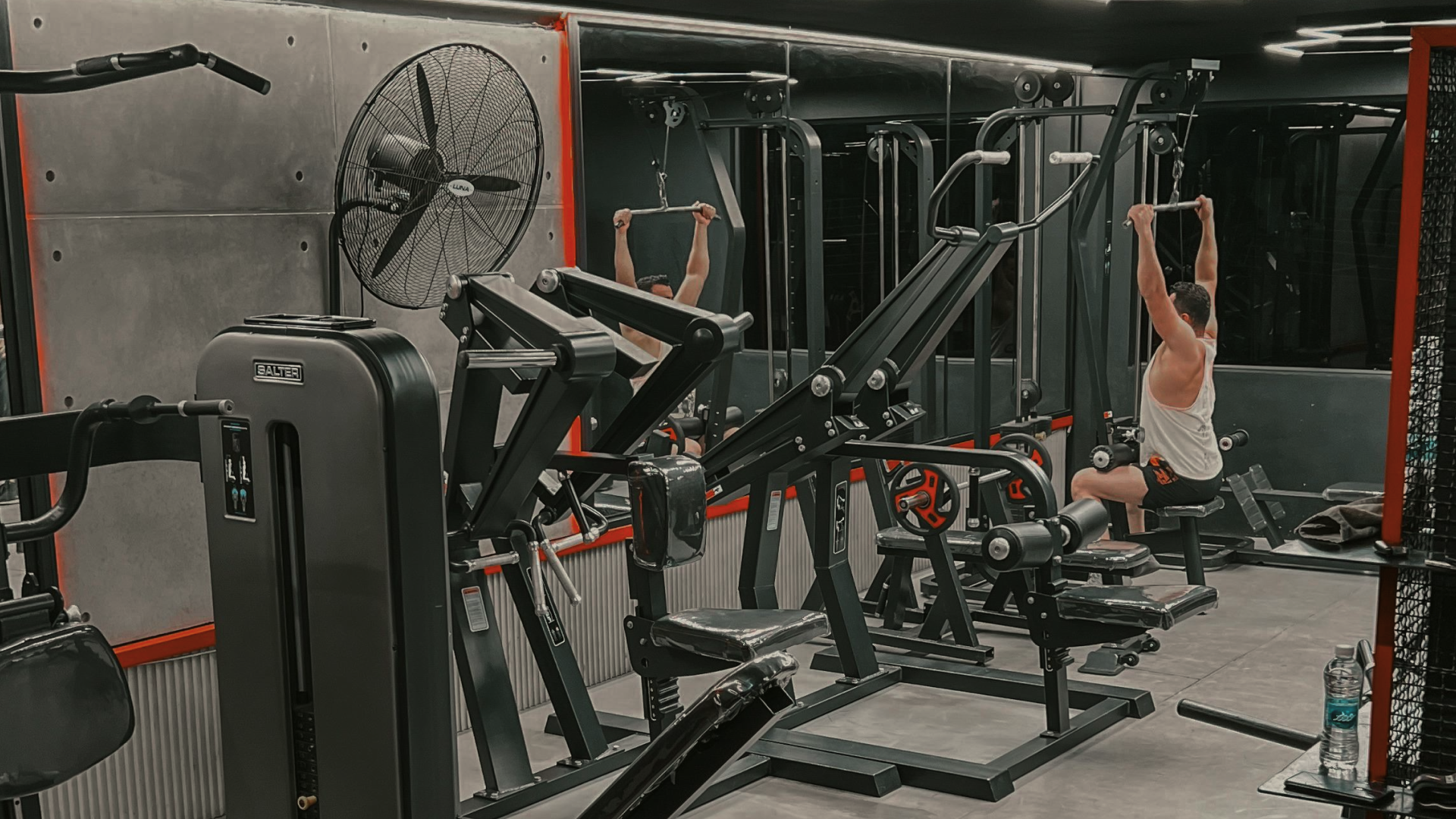
During exercise, breathing deepens and lung intake increases. That means you’re inhaling more of everything, including pollution.
Nafas has recorded PM2.5 levels of over 100 ug/m3 in some gyms in Jakarta. That pollution enters your lungs precisely when your body is most vulnerable.
The result? Faster fatigue, inconsistent strength, slower recovery. Research in the Journal of Sports Science & Medicine shows that polluted air during exercise increases inflammation and slows recovery.
A good workout isn’t just about effort.
It’s about the air your body has to push through.
Healthy Air at School: Where Futures Are Shaped

Children are especially vulnerable to air pollution. They breathe faster, and their lungs are still developing.
The World Health Organization highlights that polluted air poses higher risks for children, including impacts on absenteeism, academic performance, and increased risk of asthma and ADHD.
Nafas has found that nearly all outdoor pollution enters school buildings, even those with doors and windows closed.
When classroom air is healthy, children concentrate longer, learn better, and build cognitive stamina that supports them for years.
A child who breathes better, learns better.
The Air You Breathe Shapes the Life You Live
The air you breathe is the missing pillar of health. Invisible, silent, always present, and shaping everything.
At home.
At school.
At the gym.
At the office.
Different places. One invisible thread.
We’ve optimized habits for years. The next era of health is about optimizing the environments that support those habits. And good air is the foundation of that environment.
You don’t just need good routines.
You need good air supporting them.
Because when the air feels good, life feels better.
GOOD AIR. GOOD VIBES.