How the Air at School Affects Your Child’s Learning
Parents, teachers, and school leaders all want the same thing: a school day that helps kids learn and feel good. We look at classrooms, facilities, teachers, and the curriculum. There’s one more piece that quietly shapes every lesson: the air students breathe.
What is PM2.5 and why it matters?
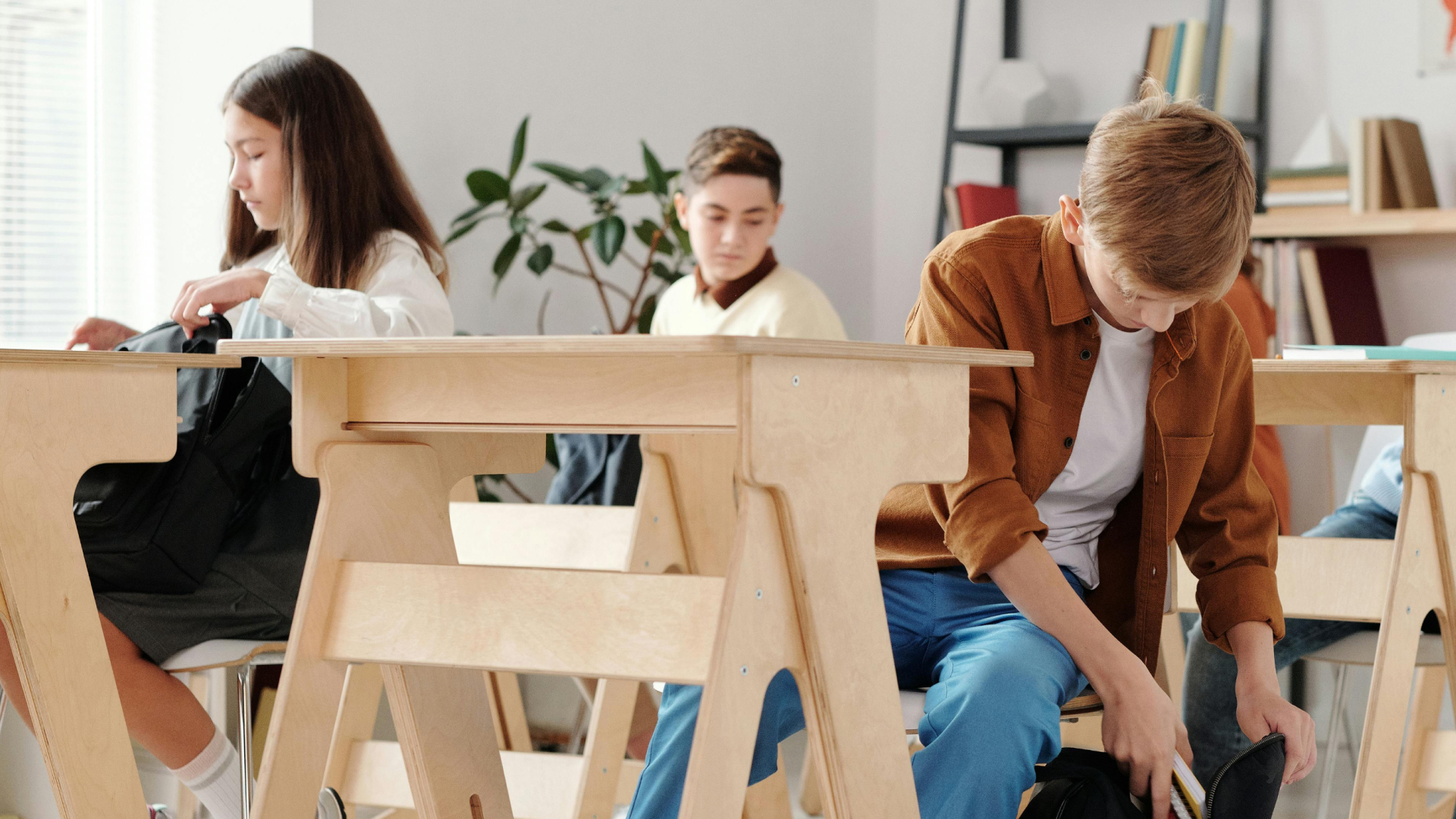
PM2.5 means very small particles in the air, so small you can’t see them. On many “normal” days, these particles drift indoors through doors and windows and mix with dust from everyday classroom activity. Over a few hours, this can make it harder to focus, easier to feel tired, and less comfortable in class. Health guidance keeps the target very low, 5 µg/m³ annual PM2.5, because even small increases add up over time. Iris
What the evidence shows
-
When PM2.5 rises, test performance dips. A national study of Finland’s matriculation exams found that short-term increases in PM2.5 reduced scores, especially in mathematics. That’s clean test-day evidence that particles can nudge results downward. ScienceDirect+2Oulun yliopisto+2
-
Cleaning the air helps. After the Aliso Canyon gas leak in Los Angeles, classrooms got portable air filters; researchers tracked 0.1–0.2σ gains in test scores once indoor pollution fell, i.e., better air, better outcomes. edworkingpapers.com+1
-
Real classrooms, real reductions. A randomized crossover trial in Los Angeles County elementary schools showed HEPA units lowered classroom PM2.5 by ~40% across the school year and reduced penetration of outdoor particles. PMC+1
-
Classrooms often “inherit” outdoor air. Multi-school monitoring in the UK (SAMHE, ~490 schools, 2023–24) found indoor classroom PM2.5 closely tracks outdoor PM2.5, so “ordinary” polluted days outside often become “ordinary” polluted days inside without action. samhe.org.uk+1
How PM2.5 can affect the brain
Preventive-health voices (e.g., Peter Attia) emphasize mechanisms here, neuroinflammation and oxidative stress as plausible ways PM2.5 can impact the brain. This framing aligns with reviews showing PM2.5 can trigger brain-inflammation pathways, oxidative stress, and related neurobiological changes that are linked to cognition. PMC+1
What about attendance and grades?
-
Absenteeism: Studies associate higher PM2.5 with more school absences, including a 2018 panel study of schoolchildren and a multi-year analysis across international schools exposed to severe pollution. PubMed+1
-
WHO perspective: The WHO’s 2018 report on air pollution and child health compiles evidence that exposure harms children’s health and development (including school participation and performance), underscoring why reducing PM2.5 during the school day matters. Iris
Bottom line: across geographies and methods, the pattern is consistent, clearer air supports clearer thinking, steadier energy, and better school participation.
What lower PM2.5 unlocks for students and teachers
-
Stronger focus (less “mental fog” during lessons and tests). Evidence shows math scores are especially sensitive to PM2.5 spikes. ScienceDirect
-
Fewer “tired heads.” When PM2.5 falls in real classrooms (via HEPA), students feel and perform better across the day. PMC
-
Smoother teaching flow. healthier air has been linked to improved achievement after filtration, which translates to more time on task. edworkingpapers.com
The full health equation
Food, sleep, and exercise matter. Add Good Air, and you help all of them work better. PM2.5 may be invisible, but it’s manageable. When schools measure it and take simple steps, the day shifts from “fine in the morning, foggy by noon” to steady all day.