




Fresh air, without bringing the city indoors.
- avg CO2 (ppm)
- 1,735 → 676
- lower PM2.5
- 52%
After Nafas, inside is back at the WHO guideline.
The air outside stays the same. PM2.5, in µg/m³.
Indoors, with Nafas
A multi-domain assessment of outdoor air, occupied spaces and, where relevant, HVAC air, to reveal where issues originate and what it takes to improve them.
Complimentary. No cost or obligation.
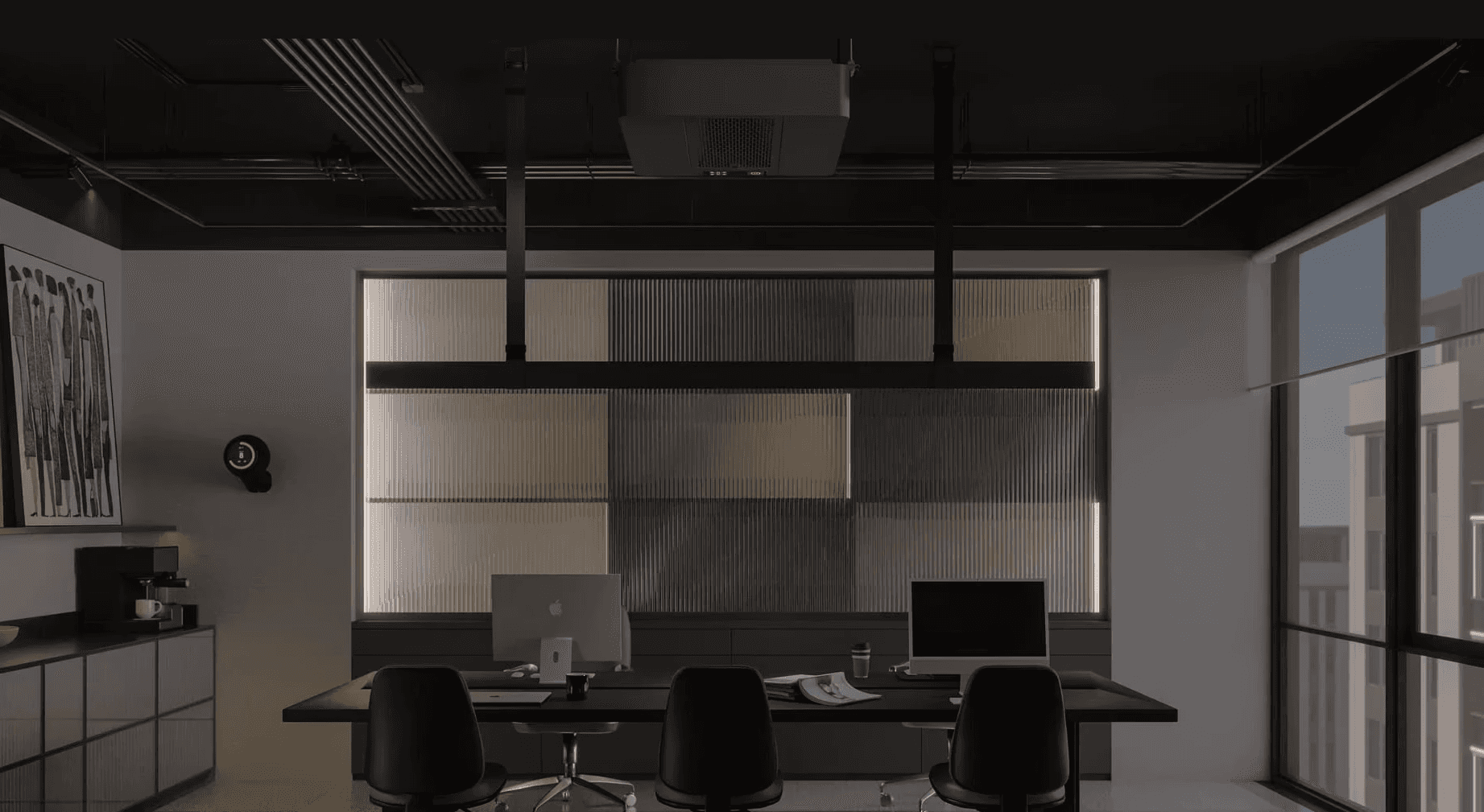
We spend around 90% of our time indoors. Yet home, office, school and gym all sit far above the WHO guideline, almost as polluted as the air outside.
Inside is almost as polluted as outside.
Fine particles (PM2.5), in µg/m³. Lower is better.
Indoors, where we spend 90% of our time
Based on real-world Nafas deployment data across Qatar and UAE.
Assessment runs 1 to 2 weeks
Facility type, concerns, plans, context.
Locations and measurement domains.
Sensors go live across outdoor, occupied rooms and optional HVAC. Live dashboard from day one.
Map, benchmark, interpret.
Prioritized next steps (see what you receive).
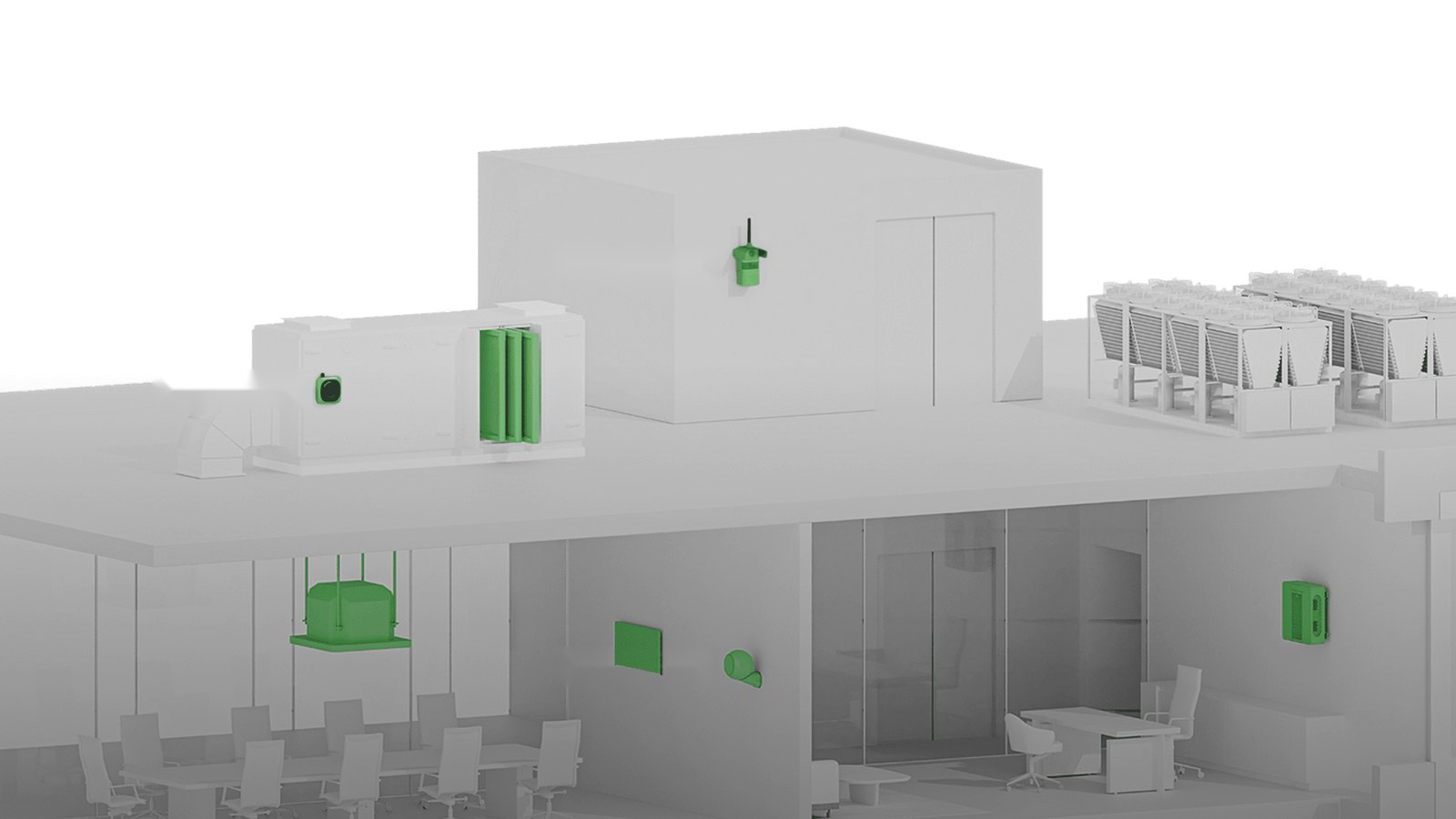
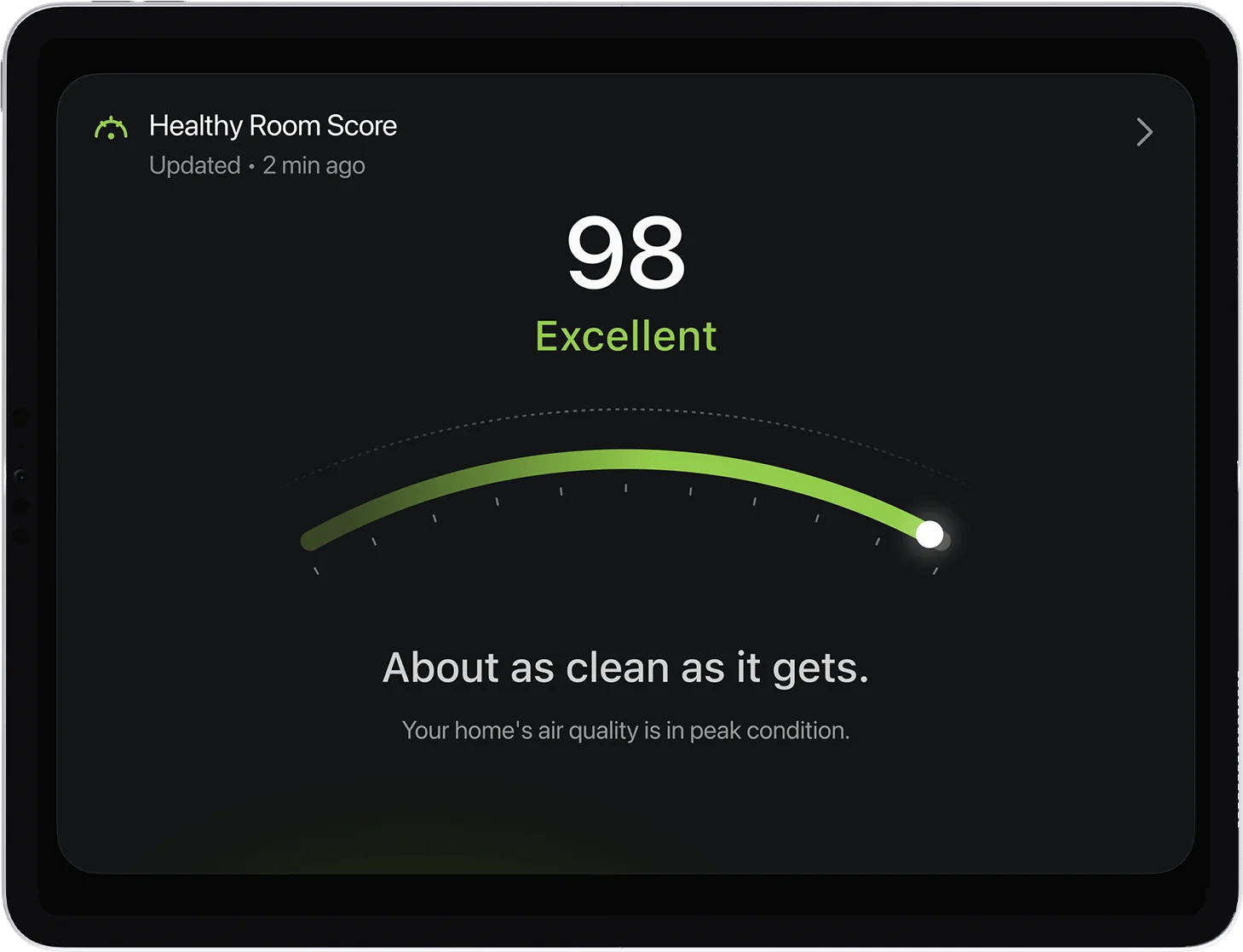
Here is what your assessment reveals, and the deliverables you walk away with.
An example day. PM2.5, in µg/m³.
42% of it gets inside
42%
Leakage rate: the share of outdoor PM2.5 that gets inside. At ~36 µg/m³ outside, it takes the indoor air past the good level. The breaking point.
Five clear insights. These are the deliverables.
Is outdoor pollution getting in, and where? The share that ends up inside, and the point where it breaks through.
Is each space ventilated for the people in it? CO2 traced against occupancy, room by room.
How much of the air in a room is rebreathed? A risk indicator built from CO2 and occupancy, not a medical assessment.
Where could moisture build up? A risk indicator built from humidity and dew point.
How well does your HVAC filter the air, and at what energy cost? Measured in the HVAC air when it is in scope.
Understand the issue before committing capital.
Direct budget where it matters most.
A shared evidence base across stakeholders.
A starting point for verified improvement.
Complimentary. No cost or obligation.
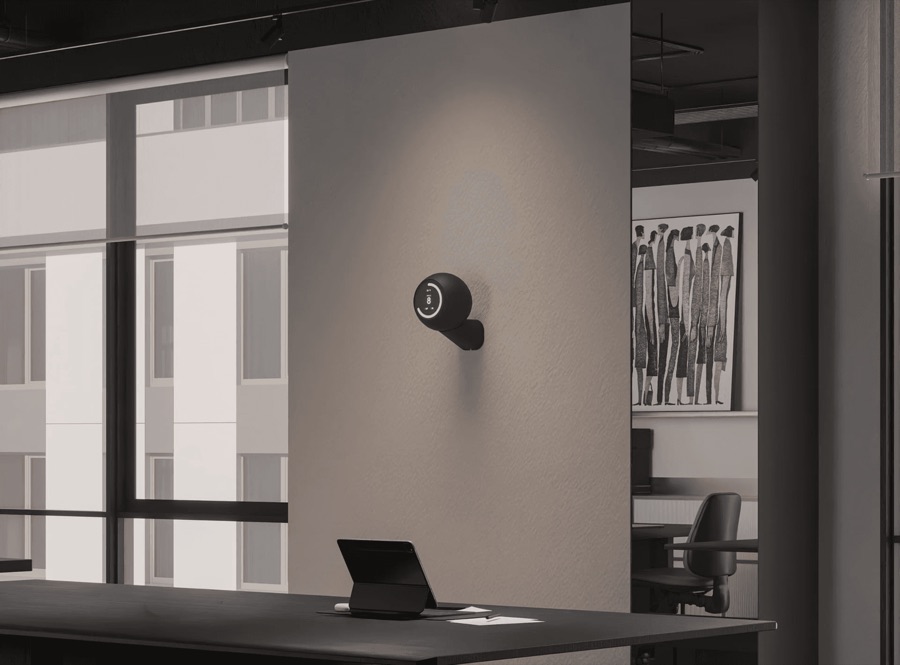
Better air is linked to up to 35% fewer short-term sick days, and sharper focus.

83% of parents want to know the air their children breathe at school.
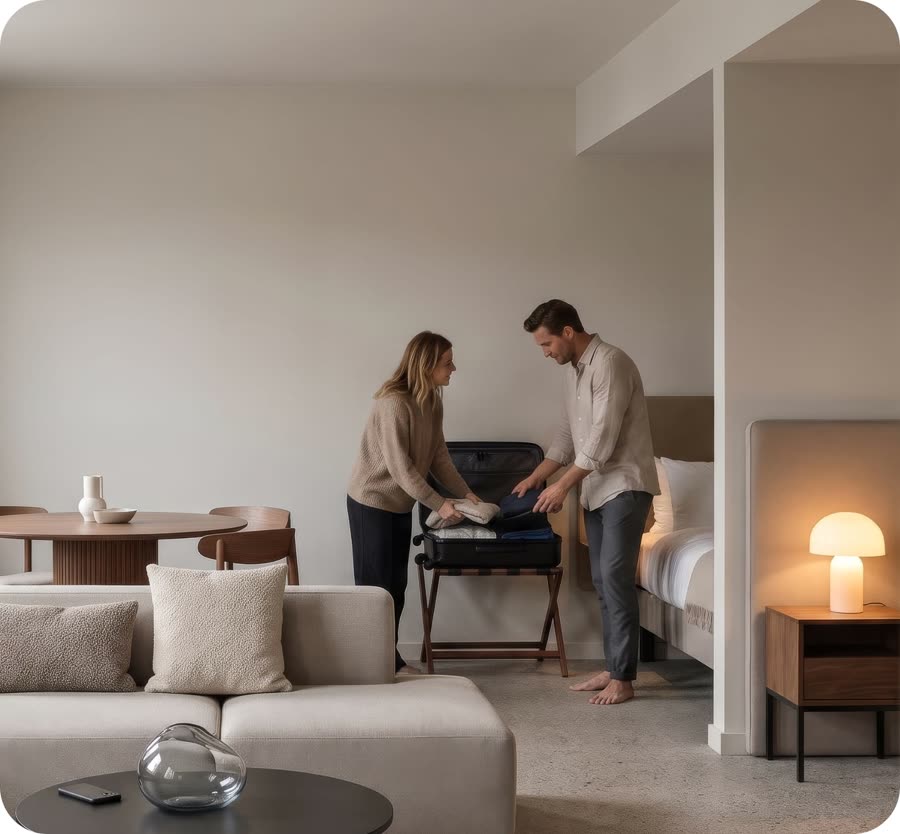
52% of guests will pay more for spaces with better indoor air.
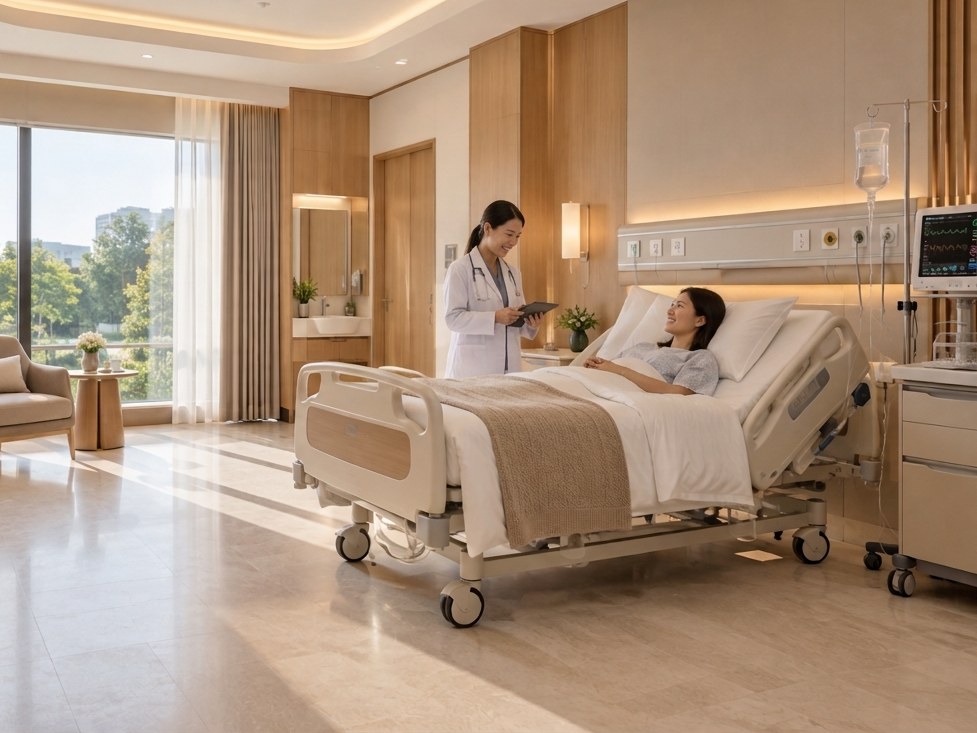
Cleaner air supports recovery, comfort and patient trust.

Comfortable air keeps visitors longer and supports spend.

Members and staff value clean air where they train and work.
Specialist facilities may require a tailored measurement plan based on site-specific risks.






After Nafas, inside is back at the WHO guideline.
The air outside stays the same. PM2.5, in µg/m³.
Indoors, with Nafas
Yes. Nafas offers the initial assessment as a complimentary first step for suitable commercial projects. Scope is confirmed after Nafas understands the site, building type and assessment requirements.
Monitoring typically runs for one to two weeks, depending on building type, operating patterns and the questions being assessed.
No. Sensor deployment is designed to take place with minimal disruption. Nafas coordinates placement and access requirements with the relevant site, facilities and IT stakeholders.
Where available, HVAC layouts and building plans help Nafas design a more precise assessment. They are useful, but you don't need them to make an inquiry.
No. HVAC diagnostics are included where relevant to the building, the concern being investigated and available access.
Nafas presents the findings and recommended next steps. A client may then decide whether to proceed with a targeted solution, a broader Clean Air Zone deployment, ongoing monitoring, or no immediate intervention.
Request a complimentary Healthy Building Assessment. A specialist will review your building and confirm the right approach.
A Nafas specialist will review your request and contact you to confirm the right approach for your building.
We have also opened WhatsApp with your details, so you can message us right away.
Continue on WhatsApp